

National Scientific Committee on Cultural Landscapes
National Scientific Committee on Cultural Landscapes
Introduction
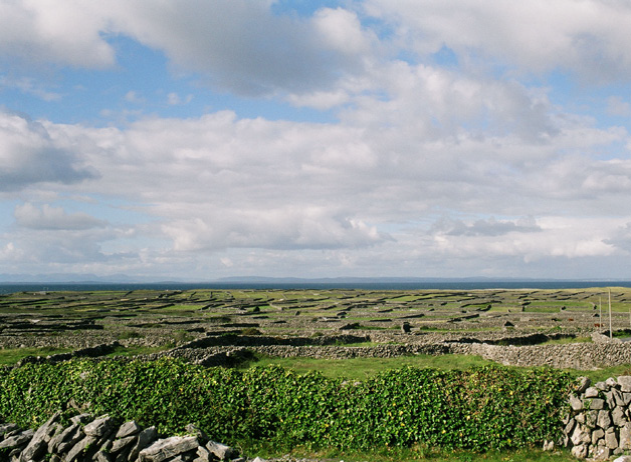
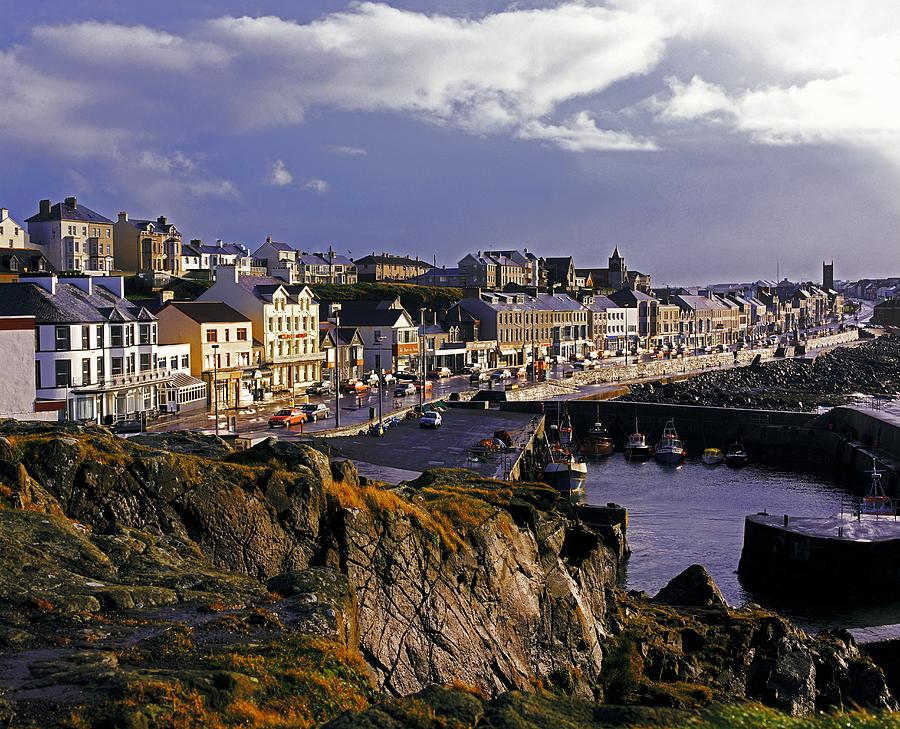
Cultural landscapes are landscapes that reflect the combined works of nature and of people. They may be grouped into three categories:
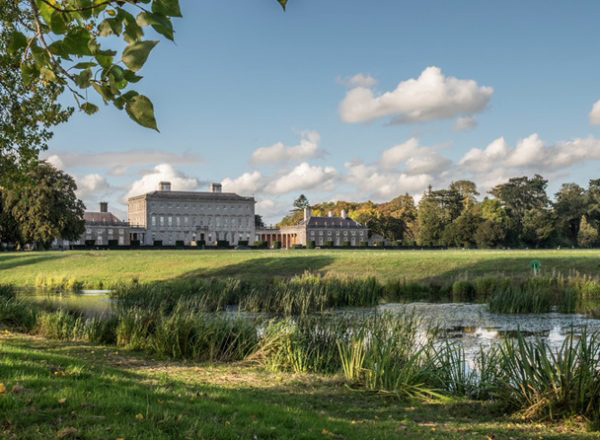
- Designed landscapes, created intentionally by people, such as parks and gardens, and demesnes;
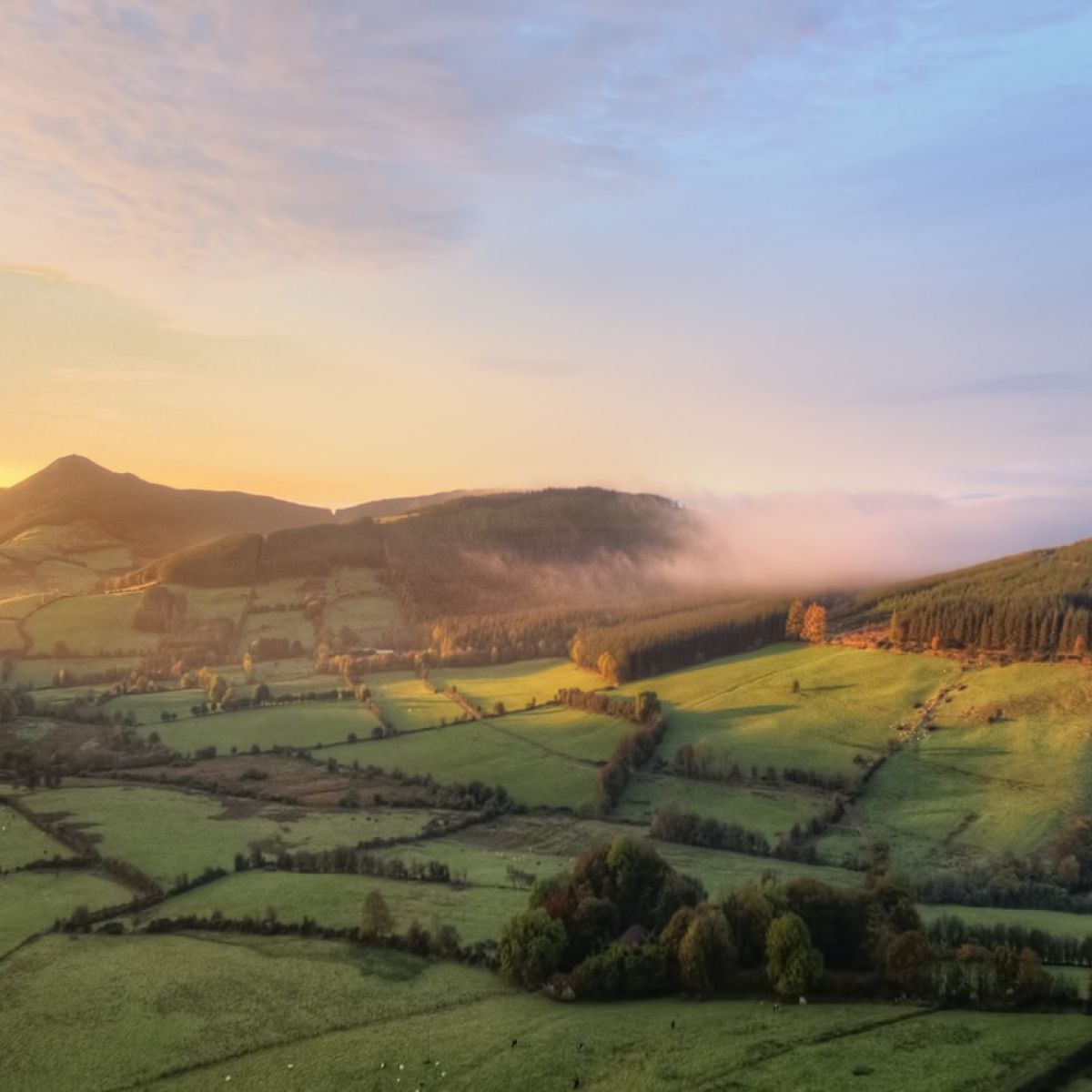
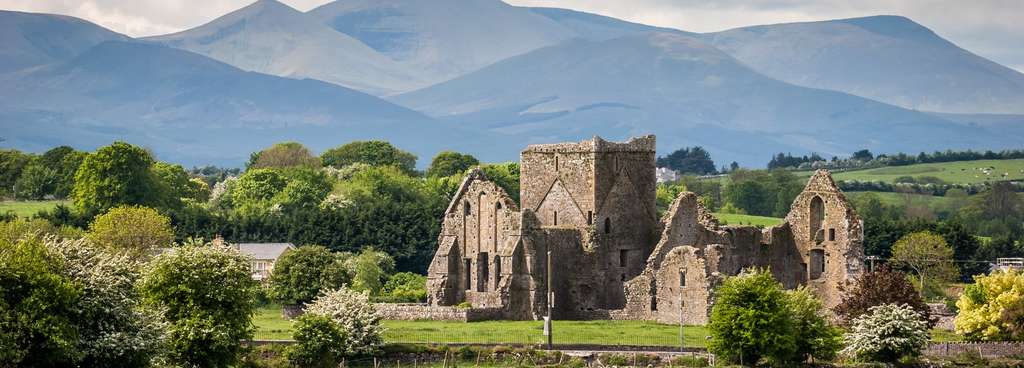
- Organically evolving landscapes, that are continuing such as agricultural landscapes or may be relict such as many archaeological landscapes which reflect the work and lives of human beings;
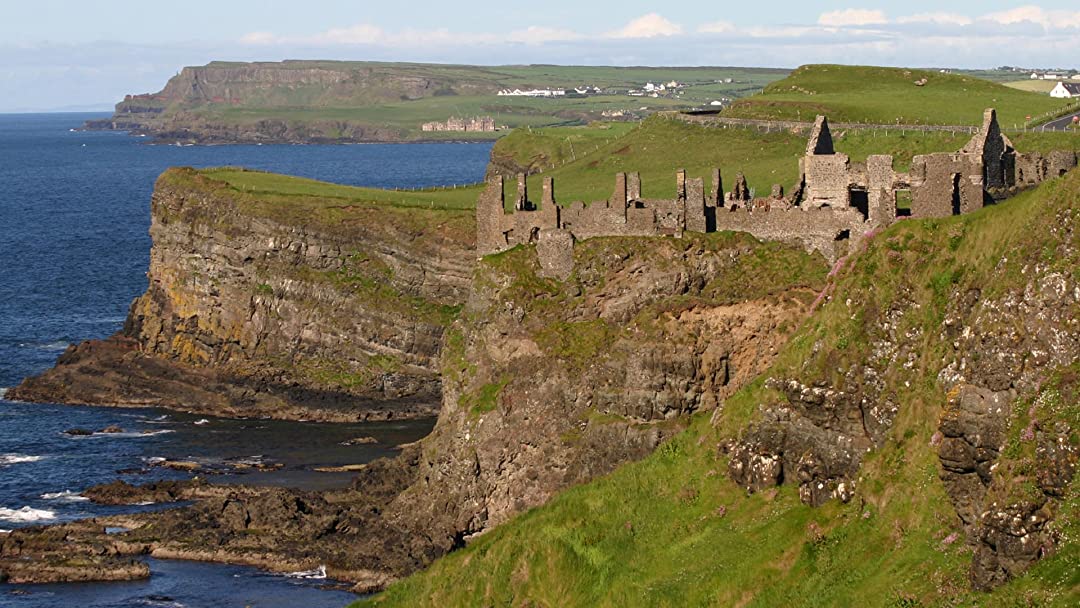
- Associative cultural landscapes, which reflect intangible values, sometimes spiritual or cultural of a particular society or group of people. They are generally not physically marked by human activity.
These landscapes are living processes that include many different elements, both tangible and intangible, they can be manifestations of traditions, values and customs of particular cultures, they are a testimony to the way in which a society interacts with its environment, ultimately demonstrating layers of human interaction with nature.
Objectives
Raise awareness and understanding of the value and significance of cultural landscapes as an integral part of the historic environment both urban& rural;
Promote ICOMOS Charters and the principles of conservation to communities and government agencies whose work affects cultural Landscapes
Collaborate and contribute to ICOMOS Ireland and the International Scientific Committee on Cultural Landscapes (ISCCL) on cultural landscape matters
Support the implementation of the National Landscape Strategy.
Activities
2019: The NSCCL hosted the five day Annual Meeting of the ISCCL and an associated Public Symposium: ‘The Culture Nature Spectrum: Conversations about Irish Cultural Landscapes with an International Perspective’ in Dublin, June 2019.
Recordings of presentations to the Symposium can be viewed here.
2012: Irish Rural Landscape Amateur Photographic Competition. Winners and Exhibited Entries
Publications
- Historic Gardens (The Florence Charter 1981)
- ICOMOS Burra Charter
- ICOMOS-IFLA Principles Concerning Rural Landscapes as Heritage
- Council of Europe Landscape Convention. Florence, 2000
Links
- ICOMOS IFLA International Scientific Committee on Cultural Landscapes
- http://www.worldrurallandscapes.org
Membership of the NSCCL
President: Steve Larkin is a practicing architect, researcher and educator. Established Steve Larkin Architects in 2007, a practice that works sensitively and creatively in cultural landscapes. A Lecturer in Architecture at TU Dublin where he established and leads postgraduate research on Landscape and Architecture. He was awarded a PhD, for his research, Interiorities in Oral Cultural Landscapes, from RMIT, Melbourne in 2017. RIAI Council Board Member since 2022.
Vice President: Gretta Doyle is a Senior Architect in the Office of Public Works: Heritage Policy and UNESCO World Heritage Unit. She has qualifications in architecture, building and urban conservation, and management. Her research and work has included the protection and conservation of designed and archaeological cultural landscapes. Her work in world heritage has a strong cultural landscape focus.
William Cumming: Now retired, was responsible for the National Inventory of Architectural Heritage and managed the NIAH Survey of Historic Gardens & Designed Landscapes. Honorary Member of the ISCCL.
Claire Foley: Archaeologist, retired, interested in the development of the cultural landscape and in its protection and conservation. Expert member of ISC Archaeological Heritage Management.
Tom Kerins is an architecture graduate working in the area of Landscape and Visual Impact Assessment, with a particular interest in cultural and archaeological landscapes.
Mary Laheen is an Architect and was Assistant Professor of Architecture at University College Dublin. She is the author of various publications related to cultural landscape. Currently the Voting Member for Ireland on the ISCCL.
Helen McFadden is an architectural graduate working across practice, research, and education, with a focus on cultural, natural, and legislative landscapes.
Colm Murray: Architect, MRIAI, MUBC. PhD researcher, Dublin. Interested in the public and social value of heritage, and the theory of conservation.
Tony Williams B.A. (Nat Sci). M.L.Arch. MILI: Principal Landscape Architect at Transport
Infrastructure Ireland. A graduate of Natural Science (Moderatorship in Botany)
from Trinity College Dublin and holds a Masters in Landscape Architecture from University College Dublin. Currently engaged in a research PhD programme in Natural Science. Honorary member of the International Federation of Landscape Architects in Europe and chair of the Climate Change working group.
For further information on the Committee please contact the ICOMOS Ireland Membership Secretary. icomos.ireland.membership@gmail.com